
Precision Packaging Material solutions
Reliable Material Performance Assurance
Whether for food, pharmaceuticals, electronics, or medical devices, robust packaging is crucial for product integrity and consumer safety. To ensure packaging materials meet industry standards and perform under real-world conditions, Pack Testing Solutions are indispensable. Cell Instruments provides a range of specialized testing instruments that help businesses assess the strength, durability, and functionality of their packaging solutions.
- ISO Standard
- ASTM Standard
- 500+ Partner Trust
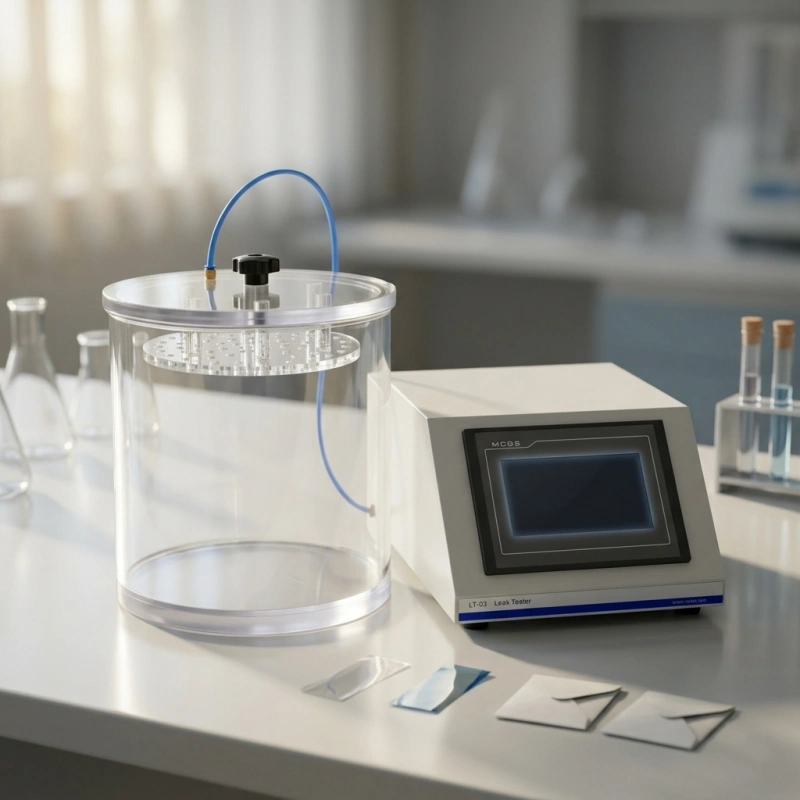
Comprehensive Pack Testing Solutions
At Cell Instruments, we provide a wide range of Pack Testing Instruments designed to meet the diverse needs of various industries. From tensile testers to leak testers, each of our instruments offers precision and reliability, ensuring accurate results in packaging material evaluation.
Heat Seal Strength Test Method
The heat seal strength test method is essential in determining the integrity of seals used in flexible packaging materials. Packaging plays a vital role in product preservation, and a strong heat seal ensures the protection of contents from external elements. In this article, we will explore the heat sealability of plastic films, the ASTM F2029 test method, and how to measure heat seal strength effectively. What Is Heat Seal Strength? Heat seal strength refers to the force required to break a seal that has been formed by applying heat and pressure to two layers of a material. The test evaluates how well the heat seal can resist breaking when subjected to mechanical forces, which is critical for ensuring the material can maintain its integrity throughout the packaging process. Heat Seal Strength Testing Methods Heat seals are commonly evaluated using ASTM F2029, a standard practice that focuses on laboratory procedures for determining the heat sealability of flexible barrier materials. The test measures the force needed to propagate a tear in the sealed area of a specimen and ensures the durability of
Elmendorf Tear Strength Test
The Elmendorf Tear Strength Test is an essential method for evaluating the tearing resistance of materials such as plastics, fabrics, and thin sheeting. This test measures the force required to propagate a tear through a material after it has been initiated. Widely used in quality control and material specification, it is recognized for its reliability in assessing the tear properties of various products, especially in packaging and textiles.
Film Thickness Measurement
Accurate film thickness measurement is essential for quality control and product performance in many industries, including packaging, plastics, and paper manufacturing. The precise measurement of film thickness helps ensure consistent material properties, strength, and overall performance. In this article, we will explore different methods and standards for measuring film thickness, focusing on mechanical scanning techniques and specific international standards like ISO 4593, ISO 534, and ISO 3034. Understanding Film Thickness Measurement Film thickness measurement is the process of determining the thickness of thin materials like plastic films, paper, and corrugated boards. The method of measurement may vary depending on the material type, the accuracy required, and the industry standards applied. There are several techniques available for measuring film thickness. Among them, mechanical scanning is widely used for plastics films, where a thickness-measuring device scans the material’s surface and determines the thickness to a specified level of accuracy. This method is suitable for films up to a certain thickness and is ideal for precise measurements of plastic films in various industries. Film Thickness Gauge: An Essential Tool A film thickness gauge
Falling Dart Impact Test
The falling dart impact test is essential for evaluating the impact resistance of plastic films. This test measures the energy required to cause failure in a specimen when subjected to a free-falling dart under controlled conditions. By assessing the impact strength, manufacturers can ensure the durability and performance of plastic films used in various applications. ASTM D1709: Standard for Falling Dart Impact Test The ASTM D1709 standard outlines the procedures for determining the energy needed to break plastic films using a free-falling dart. It specifies two test methods to evaluate the impact resistance of films under controlled conditions. The test involves progressively increasing or decreasing the dart’s mass until 50% of the specimens fail, giving a precise measure of the film’s resistance to impact. ISO 7765-1 and Dart Impact Testing for Plastic Film The ISO 7765-1 standard offers similar guidelines for testing the impact failure energy of plastic films under specified conditions. Both ASTM D1709 and ISO 7765-1 use two distinct methods for evaluating the impact resistance of thin plastic films and sheets: These standards help manufacturers, quality control teams,
Plastic Tensile Strength Test
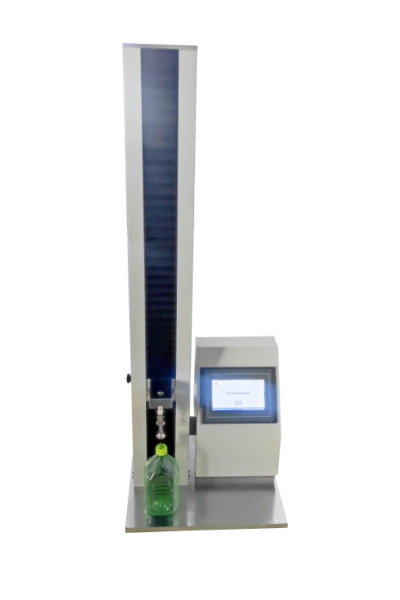
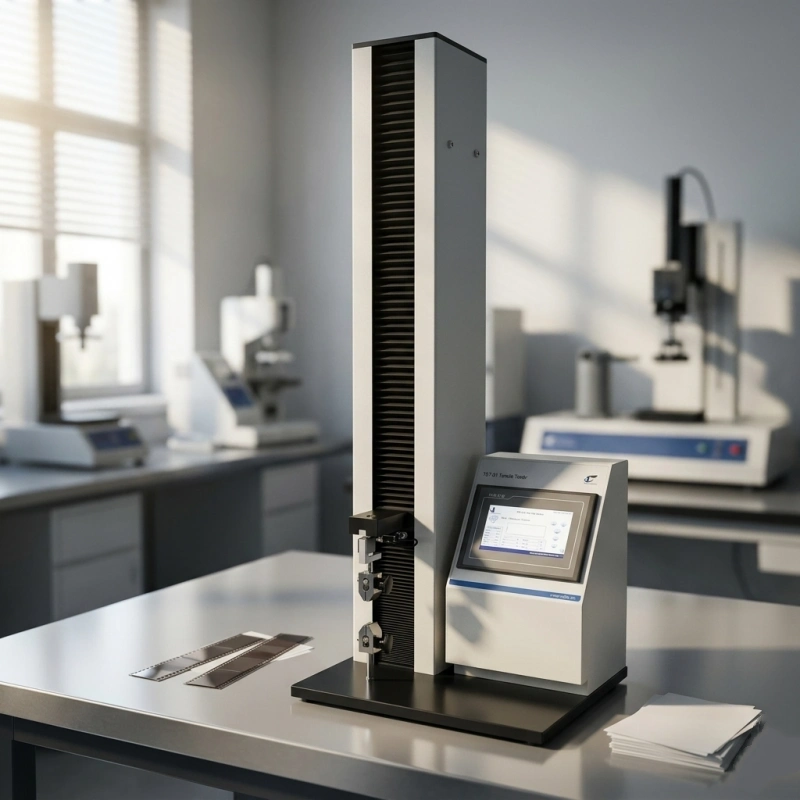
The plastic tensile strength test is essential for evaluating the mechanical properties of plastic materials, ensuring their durability and suitability for various applications. This test is widely used in industries such as packaging, medical devices, and automotive manufacturing to assess the behavior of plastics under stress. By measuring the tensile strength, elongation, and other mechanical properties, manufacturers can guarantee that their products meet the required standards. In this article, we will delve into the key aspects of the plastic tensile strength test, including its importance, how it is performed, and relevant standards such as ASTM D882 and ISO 527. We will also discuss how the test measures tensile strength and elongation to provide a complete understanding of material performance. What is a Plastic Tensile Strength Test? A plastic tensile strength test evaluates how much force a plastic material can withstand before breaking or deforming. The test involves applying a controlled tensile force to a specimen until it either breaks or reaches its maximum deformation limit. This test measures the material’s resistance to stretching and helps determine its mechanical strength and
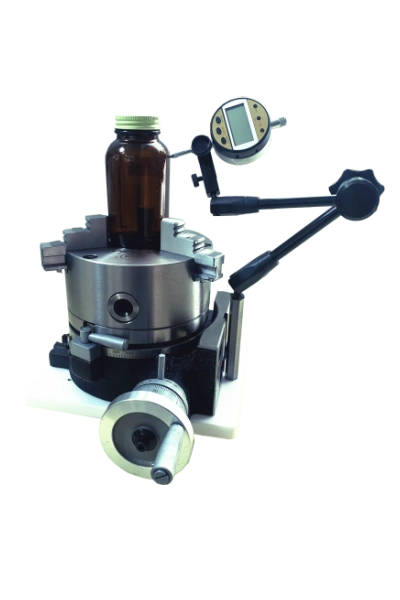
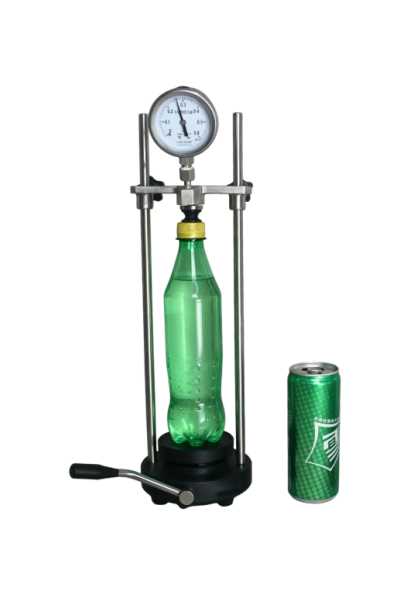
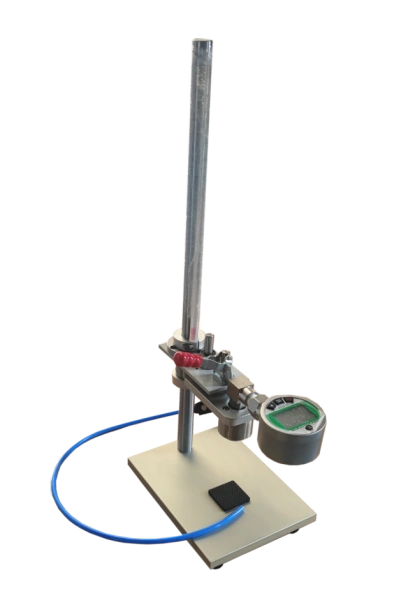
Focused on Innovation in Material Testing Technology
Founded in 2004, Cell Instruments is a specialized manufacturer of mechanical performance testing instruments. For over 20 years, we have focused on tear resistance evaluation technologies for flexible materials and industrial products.
Our solutions serve:
- Cosmetics and Personal Care
- Plastic film & sheet manufacturers
- Textile and coated fabric producers
- Rubber & thermoplastic elastomer companies
- Paper & packaging manufacturers
- Medical packaging and sterile barrier systems
We hold numerous technical patents and provide customized testing solutions, automation upgrades, and integrated laboratory systems worldwide.
From R&D and engineering design to manufacturing and technical support, we deliver complete value throughout your quality control process.
Professional Pack Testing Solutions for Diverse Industries
We understand that pack testing requirements vary significantly across industries. Our customized solutions help manufacturers enhance durability, ensure compliance, and improve market competitiveness.

Testing shampoo bottles focuses on ensuring strength, durability, and leak resistance.
Applicable Instruments
Solution Advantages
- Leakage Detection: Testing ensures that bottles are tightly sealed, preventing leaks during storage and transportation, which helps in maintaining product integrity and reducing returns.
- Durability Testing: Tests simulate the wear and tear that bottles undergo in the supply chain, ensuring they can withstand impacts, temperature fluctuations, and pressure changes without failure.

Testing cream jars focuses on evaluating seal strength and the ability to protect sensitive content.
Applicable Instruments
Solution Advantages
- Seal Integrity Testing: Ensures the airtight seals of cream jars prevent contamination and preserve the shelf life of the product, especially for sensitive formulations.
- Drop and Impact Resistance: Testing the jars’ resistance to impacts helps ensure they will not break easily, offering reliable protection during shipping and handling.

Plastic tubes used for personal care products are tested for sealing, flexural strength, and ease of use.
Applicable Instruments
Solution Advantages
- Compression Testing: Evaluates the ability of the plastic tub to maintain its shape and structural integrity under pressure, ensuring that the product remains intact during transportation.
- Temperature Resistance: Tests ensure that the plastic tubs can withstand a range of temperatures without warping or compromising the product’s safety, especially when exposed to extreme heat or cold during logistics.
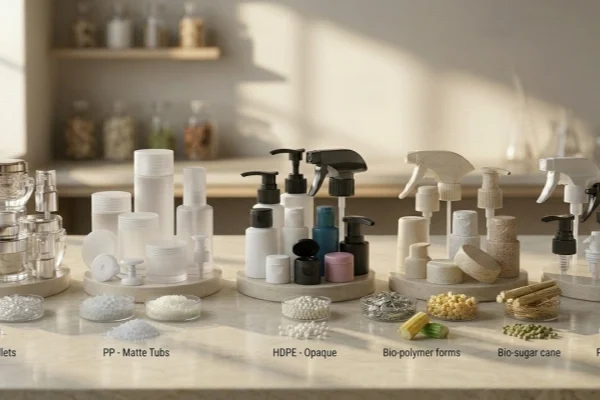
Plastic caps and sprayers are tested for durability and the functionality of their sealing mechanisms.
Applicable Instruments
Solution Advantages
- Seal Performance: Tests the tightness and reliability of plastic caps to prevent product leakage, ensuring secure packaging for liquids and sprays.
- Sprayer Functionality: Assessing the durability and functionality of sprayers ensures smooth and consistent performance, especially with the application of creams, lotions, and sprays.

Labels are tested for adhesion strength and durability against environmental factors.
Applicable Instruments
Solution Advantages
- Adhesion Testing: Ensures that labels remain attached to the packaging under different environmental conditions, preventing peeling or detachment during use or transit.
- Durability and Wear Testing: Ensures the labels resist fading, scratching, and tearing, maintaining product visibility and brand consistency throughout the product’s life cycle.